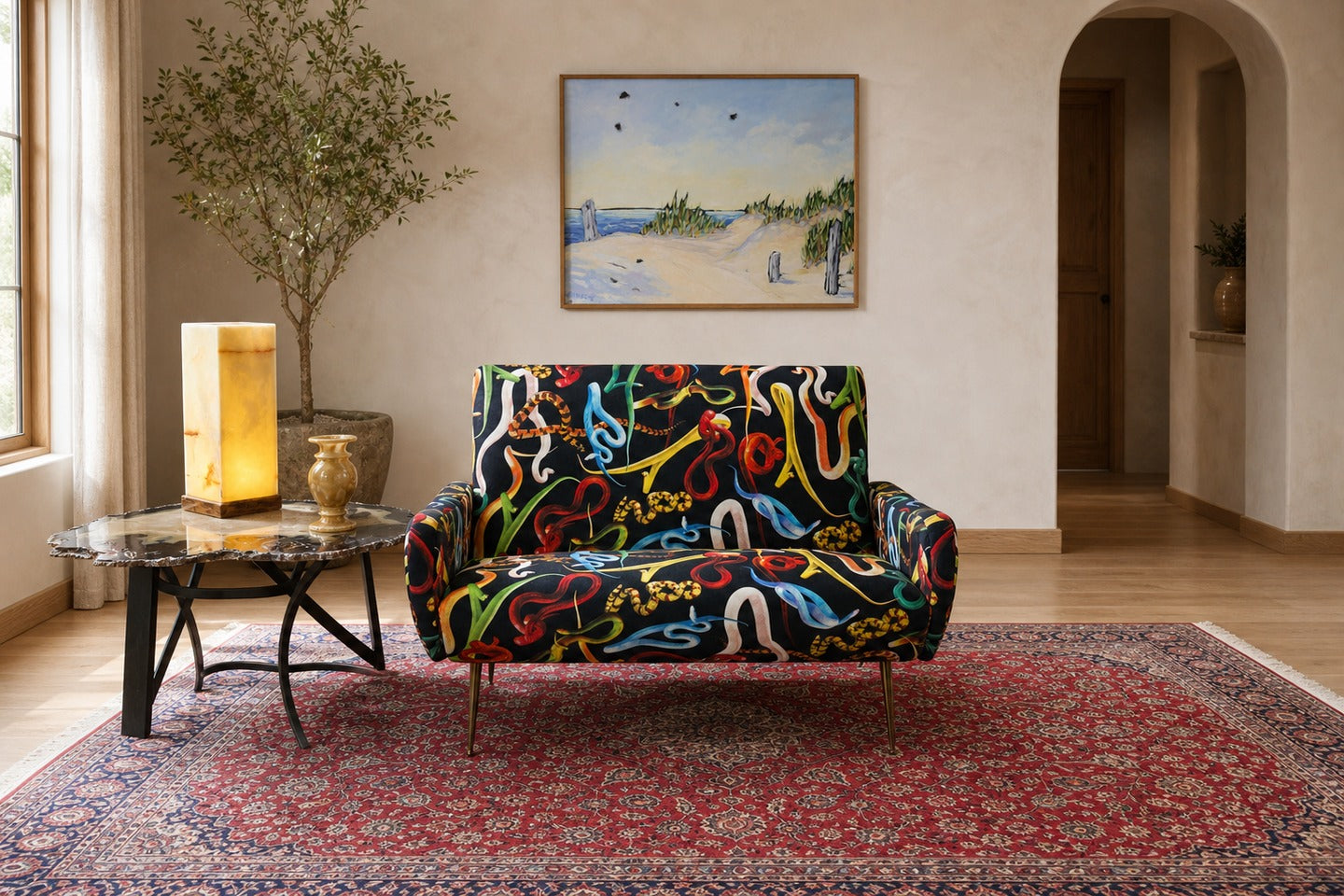
Match a side table to the sofa arm height or place it 1–2 inches lower for reachable surfaces. Typical side table heights range 20–30 inches; many sofas measure 24–27 inches from floor to arm. Measure your sofa arm and seat, plan lamps or trays, and confirm product specs in inches/feet before buying to ensure proper reach and visual balance.
Choosing the correct side table height next to a sofa affects everyday comfort and the room’s visual balance. A table that's too low forces you to lean; one too high looks awkward and limits lamp placement. This guide uses practical measurement rules you can check with a tape measure.
We’ll cover straightforward height rules, how to measure your sofa, placement distances relative to coffee tables and rugs, lamp compatibility, and style tips so you buy a piece that fits both function and proportion. Always verify product dimensions against your furniture and room layout.
Basic rule: match the sofa arm or stay 1–2 inches lower
The simplest, most reliable rule is to align the top of the side table with the sofa arm or keep it 1–2 inches lower. That keeps drinks and reading material within easy reach while maintaining a tidy sightline. If the table is taller than the arm, it will feel bulky and can block views or light.
Measure from the floor to the top of the sofa arm in inches or feet. If your sofa arm measures 26 inches, choose a side table 24–26 inches high. Verify listed product heights because manufacturers report heights to the nearest fraction or whole inch.

Common height ranges and when to use them
Most side tables fall between 20 and 30 inches high. Low tables (20–23 inches) pair well with low-profile or mid-century sofas and are useful where you want a subtle profile. Standard tables (24–26 inches) suit most modern sofas with typical arm heights.
Taller tables (27–30 inches) work if your sofa has high arms or if the table doubles as a task surface for a laptop or taller lamp. Remember clearance for arms and cushions: measure with the sofa’s cushions in place because cushion height can add 1–3 inches.

Placement: distance from sofa, coffee table, and traffic flow
Keep the side table 1–2 inches from the sofa arm for a snug, usable surface; allow at least 18 inches between the side table and a coffee table to provide legroom and a clear path. For narrow walkways, maintain a minimum 24–30 inch circulation route.
When arranging on a rug, place the side table so its base sits on the rug edge or off the rug consistently with the room’s layout. Measure clearance for doors and adjacent chairs; a well-placed side table supports movement rather than obstructing it.

Lamp, tray, and seating considerations
If you plan a lamp, add lamp base and shade height into your calculation: the bottom of the shade should sit roughly at eye level when seated. A taller table may require a shorter lamp to avoid glare; conversely, a low table benefits from a taller, slimmer lamp.
For trays or drinks, confirm surface stability and usable top diameter or edge detail. If multiple people will use the table from different seats, position it to be equally reachable or add a second matching table for symmetry and accessibility.

Style, scale, and material tips that affect perceived height
Slim-legged or glass-top tables read visually lighter at taller heights; chunky bases look heavier even if the tabletop is the same height. Choose a silhouette whose visual weight complements the sofa—lighter forms for bulky sofas, substantial forms for slender sofas.
Materials affect function: wooden tops can be wider for trays and drinks, while metal or stone tops are durable for lamps. Check base footprint to ensure it fits on area rugs or beside accent chairs without crowding the seating area.

Quick measurement checklist for side table height next to sofa
Use this five-step check before you buy. All measurements in inches or feet; confirm product dimensions and room clearances.
- Measure floor to top of sofa arm with cushions in place.
- Choose table height equal to sofa arm or 1–2 inches lower.
- Measure distance from sofa edge to planned table position (1–2 inches ideal).
- Confirm 18–24 inches clearance between side table and coffee table; 24–30 inches for walkways.
- Add lamp/tray height when calculating overall reach and visual balance.
Frequently Asked Questions
Can a side table be taller than the sofa arm?
It can, but taller tables often feel awkward and block lamps or sightlines. If a taller table is needed for a task (laptop or taller lamp), choose a slim profile and ensure the shade height is comfortable at seated eye level.
What if my sofa arm height is unconventional?
Measure the actual arm height with cushions in place. If it’s unusually low or high, prioritize reach-ability: keep the table within 1–3 inches of the arm height or choose a table with an adjustable or tiered surface.
How does rug placement affect side table height and position?
Place the table so its base sits either fully on the rug or clearly off it to avoid a visually awkward split. Rug thickness can add height under the table; measure pile height if you plan the table to sit on the rug and adjust for overall reach.
Are nesting or adjustable-height side tables a good solution?
Yes. Nesting tables offer flexible surfaces for guests and layered heights; adjustable-height tables let you fine-tune reach for lamps or laptops. Verify stability at each height and clearances for adjacent furniture.
Related Rooms and Guides
Final Takeaway
Side table height next to a sofa is a precise, measurable decision: match the sofa arm or stay 1–2 inches lower, account for lamps and trays, and verify clearances with a tape measure. Most homeowners find a 20–30 inch range suits common sofa styles.
Measure before you buy, compare product specs in inches/feet, and test mock placements with boxes or stacked books if needed. A well-chosen table improves everyday use without calling attention to itself.



Share: