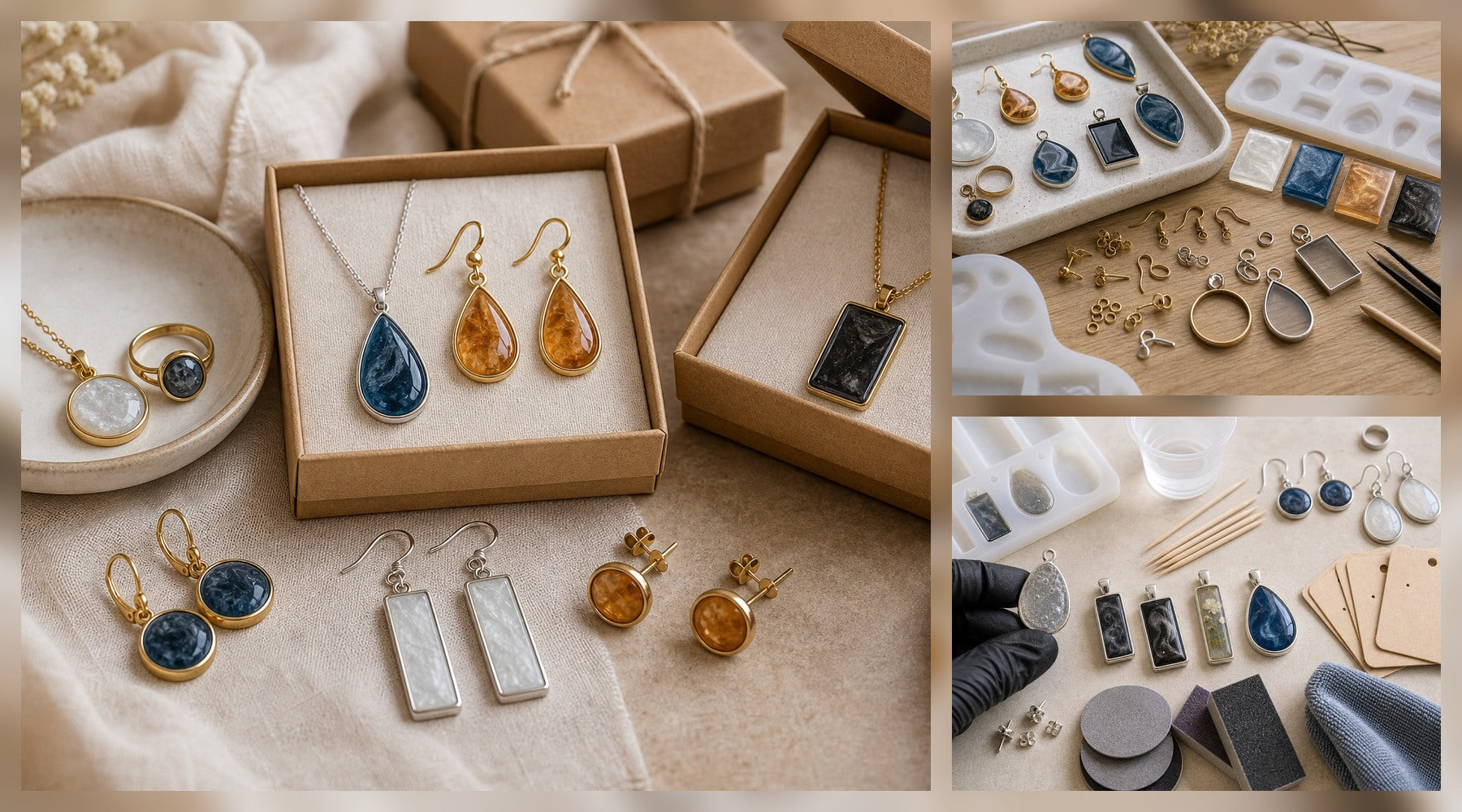
10 Resin Jewelry Ideas for Beginners Who Want Clean Finishes
If I were researching resin jewelry ideas, I would want the practical version first: what is worth trying, what I would avoid, what I would buy before mixing, and where the finished project should lead.
The lead objective for this article is email signup later, plus first-project supply confidence now. So I am not treating this as a random inspiration list. I want the ideas, links, and photos to help someone make a better decision before they spend money or start a pour.

10 Resin Jewelry Ideas for Beginners Who Want Clean Finishes needs a clear visual direction before the resin ever gets mixed.
The quick answer
The quick answer is to start small, useful, and repeatable. A beginner resin project should teach measuring, mixing, bubbles, edges, and finishing without risking a giant pour.
Table of contents
- What I would try first
- How I would choose the right version
- Tools and supplies I would set out
- Common mistakes
- Helpful Resin Society paths
- FAQ
What I would actually try first
1. Clear botanical pendants
Clear botanical pendants is useful because it teaches one resin habit without making the whole project expensive. I like beginner projects that show the mistake quickly, so the lesson is cheaper and easier to fix.
For this specific idea, I would make one tiny sample and one finished piece, then compare the color, edge, and photo before repeating the batch. For clear botanical pendants, that is the check I would not skip.
What I would watch: Mixing by feel instead of ratio. That is the kind of small decision that can make a finished resin project feel either intentional or rushed. For this item, I would check that problem before the final pour, not after the piece is already curing.
2. Small stud sets with one pigment family
Small stud sets with one pigment family is useful because it teaches one resin habit without making the whole project expensive. I like beginner projects that show the mistake quickly, so the lesson is cheaper and easier to fix.
I would also write down the exact resin amount, pigment amount, and cure notes, because the useful version is the one I can remake without guessing. For small stud sets with one pigment family, that is the check I would not skip.
What I would watch: Using too much heat too quickly. That is the kind of small decision that can make a finished resin project feel either intentional or rushed. I would rather slow down here than spend the finish stage trying to hide a preventable choice.

A closer project view helps turn the idea into a real buying or making decision.
3. Bezel earrings with a thin resin dome
Bezel earrings with a thin resin dome is useful because it teaches one resin habit without making the whole project expensive. I like beginner projects that show the mistake quickly, so the lesson is cheaper and easier to fix.
Before I scaled this, I would photograph it from above and from normal standing distance. If it only looks good in one angle, the design probably needs simplifying. For bezel earrings with a thin resin dome, that is the check I would not skip.
What I would watch: Starting too large before testing. That is the kind of small decision that can make a finished resin project feel either intentional or rushed. This is the spot where a tiny test can save the whole project from looking rushed.
4. Pressed flower necklaces
Pressed flower necklaces is useful because it teaches one resin habit without making the whole project expensive. I like beginner projects that show the mistake quickly, so the lesson is cheaper and easier to fix.
The other thing I would check is handling. A piece can photograph beautifully and still feel unfinished if the edge, weight, or bottom surface feels rough. For pressed flower necklaces, that is the check I would not skip.
What I would watch: Forgetting dust control while resin cures. That is the kind of small decision that can make a finished resin project feel either intentional or rushed. If the project is going to be sold, this detail has to be solved before packaging.

I like placing process or material images near the choices people are most likely to question.
5. Ocean-color charms without overfilling the mold
Ocean-color charms without overfilling the mold is useful because it teaches one resin habit without making the whole project expensive. I like beginner projects that show the mistake quickly, so the lesson is cheaper and easier to fix.
I would treat the first version as a proof piece, not inventory. That keeps the pressure down and makes the second version much cleaner. For ocean-color charms without overfilling the mold, that is the check I would not skip.
What I would watch: Mixing by feel instead of ratio. That is the kind of small decision that can make a finished resin project feel either intentional or rushed. I would check it in real light because resin can hide problems in the shop and reveal them in photos.
6. Minimal ring dishes as matching add-ons
Minimal ring dishes as matching add-ons is useful because it teaches one resin habit without making the whole project expensive. I like beginner projects that show the mistake quickly, so the lesson is cheaper and easier to fix.
If the idea is meant to sell, I would test packaging at the same time. The box, tag, and care note are part of the product, not an afterthought. For minimal ring dishes as matching add-ons, that is the check I would not skip.
What I would watch: Using too much heat too quickly. That is the kind of small decision that can make a finished resin project feel either intentional or rushed. That is one of the details that separates a pretty pour from a piece that feels finished.
7. Keychains for testing color batches
Keychains for testing color batches is useful because it teaches one resin habit without making the whole project expensive. I like beginner projects that show the mistake quickly, so the lesson is cheaper and easier to fix.
I would keep the first color story tighter than feels exciting in the studio. Buyers usually understand a clean collection faster than a table full of unrelated pours. For keychains for testing color batches, that is the check I would not skip.
What I would watch: Starting too large before testing. That is the kind of small decision that can make a finished resin project feel either intentional or rushed. I would keep notes here so the next version is easier instead of starting from scratch again.

This is where the project starts to feel like a repeatable system instead of a one-off experiment.
8. Initial charms with clean edges
Initial charms with clean edges is useful because it teaches one resin habit without making the whole project expensive. I like beginner projects that show the mistake quickly, so the lesson is cheaper and easier to fix.
This is also where I would check the real light in the room or booth. Resin can look completely different under shop lights, daylight, and warm home lighting. For initial charms with clean edges, that is the check I would not skip.
What I would watch: Forgetting dust control while resin cures. That is the kind of small decision that can make a finished resin project feel either intentional or rushed. This is also the part I would photograph closely because buyers notice finish quality fast.
9. Small cabochons for learning bubble control
Small cabochons for learning bubble control is useful because it teaches one resin habit without making the whole project expensive. I like beginner projects that show the mistake quickly, so the lesson is cheaper and easier to fix.
I would compare the finished piece against a Resin Society product path so the article has a natural next click instead of ending as loose inspiration. For small cabochons for learning bubble control, that is the check I would not skip.
What I would watch: Mixing by feel instead of ratio. That is the kind of small decision that can make a finished resin project feel either intentional or rushed. If this detail feels uncertain, I would simplify the design before adding more resin movement.
10. Giftable jewelry sets with simple packaging
Giftable jewelry sets with simple packaging is useful because it teaches one resin habit without making the whole project expensive. I like beginner projects that show the mistake quickly, so the lesson is cheaper and easier to fix.
If the process feels fussy in the first test, I would simplify the shape, color, or finish before making more. Repeatability matters more than novelty here. For giftable jewelry sets with simple packaging, that is the check I would not skip.
What I would watch: Using too much heat too quickly. That is the kind of small decision that can make a finished resin project feel either intentional or rushed. I would fix this early because the final polish cannot make a weak plan disappear.
How I would choose the right version
I would choose the version of resin jewelry ideas that fits the real constraint first: size, cure time, finish quality, room style, customer, or product price. Resin can make almost anything louder. The better move is usually making the project clearer.
For this topic, I would keep one strong visual lane and repeat it. That might mean one pigment family from powder pigments or liquid resin pigments, one finish style, one product size, or one room style.

The final image should make the article feel useful enough to save and clear enough to shop from.
Tools and supplies I would set out before starting
I would rather have fewer tools ready and know why each one is there. The bench should support the project: accurate measuring, safe handling, clean edges, controlled color, and a realistic finish plan.
- art and craft epoxy resin
- epoxy tools and resin supplies
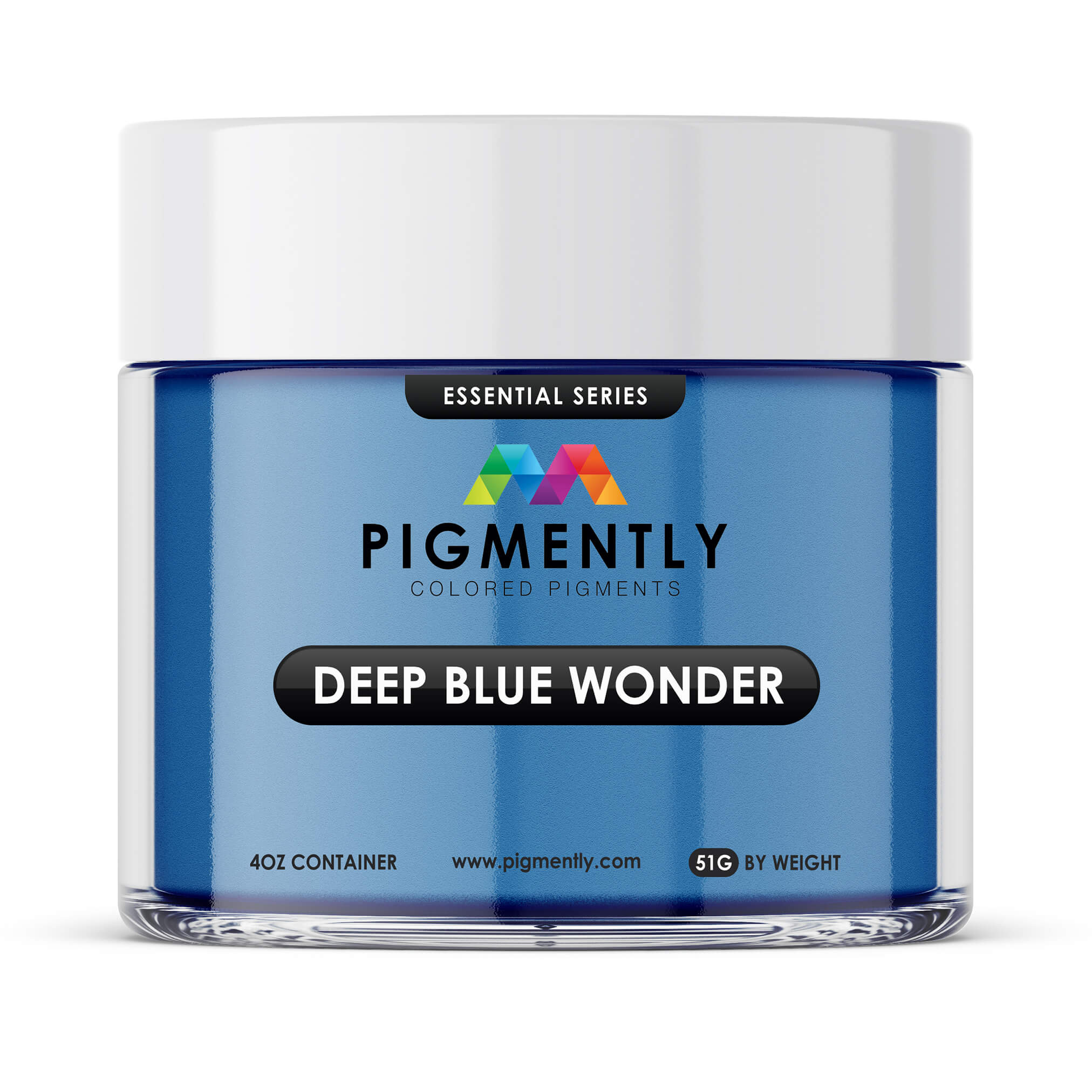
- powder pigments
- liquid resin pigments
- 3M Sandpaper
- Buffer / Polisher
- Caulk Gun
- Clamps
- Dry Sander
Common mistakes I would avoid
- Mixing by feel instead of ratio.
- Using too much heat too quickly.
- Starting too large before testing.
- Forgetting dust control while resin cures.
- Taking dark photos that hide the resin depth, edge quality, and finished surface.
Helpful Resin Society paths from this guide
If this article is doing its job, the next click should feel obvious. I would send readers toward the collection that matches the scale of the project instead of making them search the whole store.
- art and craft epoxy resin
- epoxy tools and resin supplies
- powder pigments
- liquid resin pigments
- resin decor
- resin metal trays
- resin stoneware trays
- resin ceramic trays
Pinterest angles for this article
- What I would test before committing to the full project.
- The mistake I would avoid before mixing resin.
- The Resin Society product path that matches this idea.
- The practical version of the inspiration people are saving.
- Before-you-buy notes for makers who want cleaner results.
FAQ
What resin project should a beginner start with?
I would start with a small, useful project that teaches one skill at a time: coasters, bookmarks, catchalls, test tiles, or a small tray.
How do I avoid bubbles?
Measure accurately, mix slowly, warm the resin only as recommended, and do not chase every tiny bubble with too much heat.
Do I need expensive tools right away?
No. I would buy safety gear, measuring tools, cups, gloves, and a few finishing basics before chasing every accessory.
Final thought
My favorite resin projects usually do one thing really well. For resin jewelry ideas, I would start with the outcome, choose the material honestly, and make the finish prove the work. That is the difference between a saved idea and a project someone actually wants to make, buy, or ask about.
Next step: Start with art and craft epoxy resin, epoxy tools and resin supplies, or powder pigments depending on what you want to build first.




Share: